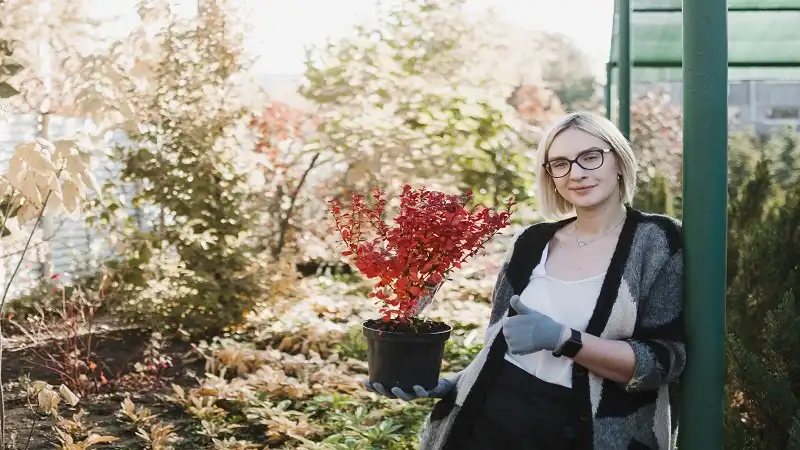
A well-designed landscape does more than just enhance the appearance of your home—it creates a functional outdoor space where you can relax, entertain, and connect with nature. Whether you have a small backyard or a large garden, the right design can transform your outdoor area into a beautiful and practical extension of your home.
In this ultimate guide to functional and beautiful landscape design, you’ll learn how to plan, design, and maintain an outdoor space that perfectly balances aesthetics and usability.
Why Landscape Design Matters
Landscape design is not only about beauty; it also improves the overall value and usability of your property. A thoughtfully designed outdoor space can:
-
Increase property value
-
Improve curb appeal
-
Provide functional outdoor living areas
-
Enhance environmental sustainability
-
Reduce maintenance efforts
A combination of planning, creativity, and smart choices can help you achieve the perfect outdoor environment.
Understanding Your Space
Before starting your landscape design, it’s important to analyze your outdoor area.
1. Evaluate the Size and Layout
Measure your space and understand its shape. Identify areas for planting, seating, and pathways.
2. Study Sunlight and Shade
Observe how sunlight moves throughout the day. This helps in choosing the right plants and positioning key features.
3. Check Soil Quality
Healthy soil is the foundation of any successful landscape. Test the soil to determine its type and nutrient level.
4. Consider Climate Conditions
Your local climate plays a huge role in plant selection and maintenance requirements.
Planning a Functional Landscape
A functional landscape serves your needs while remaining visually appealing.
1. Define Purpose
Ask yourself how you want to use the space:
-
Relaxation
-
Family gatherings
-
Gardening
-
Outdoor dining
2. Create Zones
Divide your landscape into different areas, such as:
-
Seating area
-
Garden beds
-
Walkways
-
Play areas
This makes your outdoor space more organized and practical.
3. Add Pathways
Pathways improve accessibility and guide movement through the garden. Use materials like stone, gravel, or concrete for durability.
Choosing the Right Plants
Plants are the heart of any landscape design. Choosing the right ones ensures both beauty and sustainability.
1. Use Native Plants
Native plants are easier to maintain and adapt well to local conditions.
2. Mix Different Types
Combine trees, shrubs, flowers, and ground covers for a layered look.
3. Consider Seasonal Changes
Select plants that bloom in different seasons to keep your landscape attractive year-round.
4. Focus on Maintenance
Choose low-maintenance plants if you want a stress-free garden.
Balancing Beauty and Functionality
A great landscape design balances visual appeal with usability.
1. Color Coordination
Use a consistent color palette to create harmony in your garden.
2. Texture and Variety
Mix different plant textures and materials to add depth and interest.
3. Focal Points
Create eye-catching features such as:
-
Water fountains
-
Sculptures
-
Decorative plants
4. Lighting Design
Outdoor lighting enhances safety and adds beauty during the night.
Hardscaping Elements
Hardscaping refers to the non-living elements of your landscape.
1. Patios and Decks
Perfect for outdoor dining and relaxation.
2. Retaining Walls
Useful for managing slopes and adding structure.
3. Driveways and Walkways
Improve accessibility and overall design.
4. Water Features
Fountains or ponds add a peaceful and luxurious feel.
Sustainable Landscaping Tips
Sustainability is an important part of modern landscape design.
-
Use drought-resistant plants
-
Install efficient irrigation systems
-
Collect rainwater
-
Reduce lawn areas to save water
-
Use organic fertilizers
These practices help protect the environment and reduce maintenance costs.
Maintenance Tips for Long-Term Success
Even the best landscape needs regular care.
1. Regular Watering
Ensure plants receive the right amount of water.
2. Pruning and Trimming
Keep plants healthy and maintain their shape.
3. Weed Control
Remove weeds regularly to prevent them from spreading.
4. Fertilizing
Provide nutrients to promote plant growth.
5. Seasonal Cleanup
Prepare your landscape for changing weather conditions.
Common Landscape Design Mistakes to Avoid
Avoid these mistakes to ensure a successful design:
-
Overcrowding plants
-
Ignoring maintenance needs
-
Poor drainage planning
-
Lack of clear design structure
-
Choosing plants unsuitable for the climate
Planning can save time, effort, and money.
Budgeting Your Landscape Project
A beautiful landscape doesn’t have to be expensive. With proper planning, you can manage costs effectively.
-
Set a clear budget
-
Prioritize essential elements
-
Use cost-effective materials
-
Complete the project in phases
-
Consider DIY options
Final Thoughts
Designing a functional and beautiful outdoor space is a rewarding process. With the right planning, plant selection, and maintenance, you can create a landscape that enhances your lifestyle and adds value to your home.
This ultimate guide to functional and beautiful landscape design provides everything you need to get started. By focusing on both aesthetics and usability, you can build a space that is not only visually stunning but also practical and easy to maintain.
Start your landscape journey today and turn your outdoor space into a peaceful and inviting retreat. See more