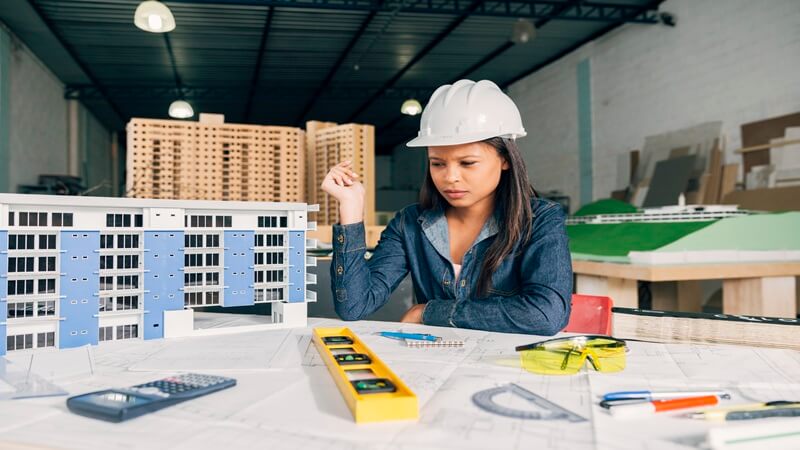
Building your dream home is one of the most important investments you will ever make. The process requires careful planning, technical knowledge, and smart decision-making at every stage. From selecting the right land to completing the final paint coat, Home Construction is a structured journey that transforms an empty plot into a comfortable living space.
In this complete guide, you will learn every phase of the building process, estimated costs for 2025–2026, expert tips, and common mistakes to avoid. Whether you are building your first house or planning a new project, this step-by-step guide will help you stay confident and in control.
Understanding the Home Construction Process
A successful house project follows three major phases:
-
Planning & Pre-Construction
-
Grey Structure Phase
-
Finishing Phase
Each stage plays a critical role in ensuring the durability, safety, and beauty of your home. Skipping proper planning often leads to budget overruns and structural problems later.
Phase 1: Planning & Pre-Construction
Before you break ground, you must build a strong legal and technical foundation. This stage determines how smoothly your project will move forward.
Budgeting and Financing
Start by calculating your total budget realistically. Include:
-
Land cost
-
Construction cost
-
Approval fees
-
Utility connections
-
Interior finishing
-
Contingency reserve (10–15%)
Many homeowners now explore Islamic financing options or construction loans to manage cash flow. Always keep extra funds for unexpected expenses.
Pro Tip: Never start construction with a tight budget margin.
Land Selection and Soil Testing
The quality of your land directly affects structural safety. Therefore, always perform soil testing before designing the foundation.
Soil analysis helps determine:
-
Soil bearing capacity
-
Water table level
-
Foundation type (raft, strip, or pile)
-
Risk of settlement or seepage
Ignoring soil testing can cause cracks and structural failure in the future.
Architectural Design and Planning
Next, hire a qualified architect or designer. A professional will prepare:
-
Floor plans
-
Structural drawings
-
3D elevation views
-
Electrical and plumbing layouts
Good design balances beauty with functionality. Make sure your layout considers ventilation, sunlight, and future expansion.
Legal Approvals and NOC
Before construction begins, you must obtain approvals from local authorities, such as:
-
LDA
-
CDA
-
DHA
-
Local municipal bodies
Submit your drawings and get the No Objection Certificate (NOC). Building without approval can lead to heavy fines or demolition.
Phase 2: Grey Structure Phase
The grey structure is the backbone of your house. It focuses on strength, durability, and structural stability. Never compromise on materials during this stage.
Site Layout and Excavation
First, the contractor marks the layout according to the drawings. Then, excavation begins for the foundation.
Key checks during excavation:
-
Correct depth
-
Proper alignment
-
Soil condition monitoring
-
Anti-termite treatment
Foundation Work
The foundation transfers the building load to the ground. It includes:
-
Concrete footings
-
Foundation walls
-
Damp Proof Course (DPC)
The DPC layer prevents moisture from rising into the walls, which protects your home from dampness.
Important: Poor foundation work can never be fully fixed later.
Masonry and Structural Framework
After the foundation, workers construct:
-
Brick or block walls
-
Reinforced concrete columns
-
Beams and lintels
This stage forms the structural skeleton. Ensure proper cement ratio and curing to avoid cracks.
Roofing (Slab Casting)
The roof slab is poured using reinforced concrete. Proper curing for at least 14 days is essential for strength.
During slab work, check:
-
Steel bar quality
-
Concrete mix ratio
-
Leveling accuracy
-
Waterproofing measures
Rough-In Utilities
Before plastering, electricians and plumbers install internal systems:
-
Electrical conduits
-
Water supply lines
-
Drainage pipes
-
AC sleeves
This hidden work must be done carefully because repairs later are expensive.
At this point, the major structural portion of Home Construction is complete, and the house is ready for finishing.
Phase 3: Finishing Phase
The finishing stage transforms the grey structure into a comfortable and beautiful home.
Wall Plastering
Workers apply internal and external plaster to smooth the walls. Quality plaster improves paint finish and protects masonry.
Flooring and Tiling
Flooring gives personality to your home. Popular options include:
-
Porcelain tiles
-
Marble
-
Granite
-
Vinyl flooring
-
Wooden flooring
Choose materials based on budget, durability, and maintenance needs.
Doors and Windows Installation
Install:
-
Main doors
-
Internal room doors
-
Aluminum or UPVC windows
-
Ventilators
Good-quality windows improve insulation and energy efficiency.
Kitchen and Bathroom Fixtures
Now the house becomes functional. Install:
-
Kitchen cabinets
-
Countertops
-
Bathroom sanitaryware
-
Faucets and showers
-
Exhaust fans
Modern fittings improve both comfort and resale value.
Electrical and Paint Work
Next comes:
-
Switch boards
-
Light fixtures
-
Ceiling fans
-
Interior paint
-
Exterior weatherproof paint
Choose high-quality paint to ensure long-lasting results.
Final Touches and Landscaping
Finally, complete:
-
Boundary wall
-
Gate installation
-
Driveway
-
Lawn or garden
-
Exterior lighting
These finishing elements enhance curb appeal and property value.
Estimated Home Construction Costs (2025–2026)
Costs vary by city, material quality, and labor rates. Below are typical mid-tier estimates in Pakistan for a double-storey house.
Grey Structure Cost (Approx.)
| House Size | Estimated Cost per Sq Ft |
|---|---|
| Standard Quality | PKR 2,600 – 3,000 |
| Mid-Range Quality | PKR 3,100 – 3,600 |
| Premium Quality | PKR 3,700+ |
Finishing Cost (Approx.)
| Quality Level | Estimated Cost per Sq Ft |
|---|---|
| Basic Finish | PKR 2,000 – 2,500 |
| Mid-Range Finish | PKR 2,600 – 3,500 |
| Luxury Finish | PKR 3,600+ |
Total Construction Estimate
For a 5-marla double-storey house (2025–2026):
-
Grey Structure: PKR 45–60 lakh
-
Finishing: PKR 35–55 lakh
-
Total Estimated Cost: PKR 80 lakh – 1.2 crore
Prices may fluctuate due to inflation and material availability.
Smart Tips for Successful House Building
Follow these expert tips to keep your project smooth and cost-effective.
Always Hire Qualified Professionals
Work with:
-
Licensed architect
-
Experienced contractor
-
Structural engineer
Cheap, inexperienced labor often causes expensive problems.
Monitor Construction Regularly
Visit the site frequently. Check:
-
Material quality
-
Cement ratio
-
Steel grade
-
Workmanship
Active supervision prevents shortcuts.
Buy Materials Yourself (If Possible)
Purchasing materials directly can:
-
Reduce costs
-
Ensure quality
-
Prevent theft or substitution
However, only do this if you have time to manage logistics.
Keep a Contingency Budget
Unexpected costs always appear. Maintain at least 10–15% extra funds to avoid project delays.
Focus on Waterproofing
Water damage is one of the most common issues. Invest in:
-
Roof waterproofing
-
Bathroom sealing
-
External wall protection
-
Proper drainage slope
Prevention is far cheaper than repairs.
Common Mistakes to Avoid
Many homeowners repeat the same costly errors. Avoid these pitfalls:
-
Starting without complete drawings
-
Ignoring soil testing
-
Choosing the cheapest contractor
-
Poor curing of concrete
-
Rushing the finishing stage
-
Skipping waterproofing
-
Not planning electrical points properly
Avoiding these mistakes will protect your investment and ensure long-term durability.
Future Trends in Modern House Building
The construction industry is evolving rapidly. Modern homeowners now prefer:
-
Smart home systems
-
Energy-efficient designs
-
Solar panel integration
-
Heat-resistant roofing
-
Sustainable materials
-
Open floor concepts
In the coming years, Home Construction will increasingly focus on eco-friendly and technology-driven solutions.
Frequently Asked Questions (FAQs)
How long does it take to build a house?
Typically, a double-storey house takes 8 to 14 months, depending on size, labor availability, and weather conditions.
What is the most expensive part of construction?
Usually, the finishing phase costs the most because of tiles, woodwork, kitchens, and fixtures.
Can I reduce construction costs?
Yes. You can save money by:
-
Choosing a simple design
-
Buying materials in bulk
-
Avoiding unnecessary luxury finishes
-
Planning efficiently
Is grey structure more important than finishing?
Absolutely. The grey structure determines the strength and life of the building. Finishing can be upgraded later, but structural mistakes are costly to fix.
Conclusion
Building a home is a complex but rewarding journey. With proper planning, quality materials, and professional supervision, you can complete your project smoothly and within budget. Understanding each phase—from pre-planning to final finishing—helps you make smarter decisions and avoid costly mistakes.
If you approach Home Construction with patience and knowledge, you will not only build a house but also create a safe, durable, and comfortable space for your family’s future. See more